increasing
Testing
increasing Testing
HIV testing saves lives and stops HIV being passed on to others. Once on HIV treatment, people living with HIV can stay well and live a normal life expectancy.
Getting an HIV test is the only way to find out if you have HIV as symptoms may not appear for many years. Fast-Track Cities Bristol is working to get more people tested across our city.
In 2020, Fast-Track Cities Bristol set up a working group to look at increasing HIV testing, to make sure that all communities in Bristol have every opportunity to get tested. The group is chaired by Adele Wolujewicz, Consultant in Genitourinary Medicine and HIV Medicine.
The ‘Increasing HIV Testing’ group brings together people from the voluntary sector, the NHS, Bristol City Council, academics and members of the public to develop strategies for increasing HIV testing in Bristol. This includes working with Bristol, North Somerset and South Gloucestershire (BNSSG) Integrated Care Board, GPs and pharmacies to promote better access to HIV testing.
EMERGENCY DEPARTMENTS OPT-OUt blood borne virus testing
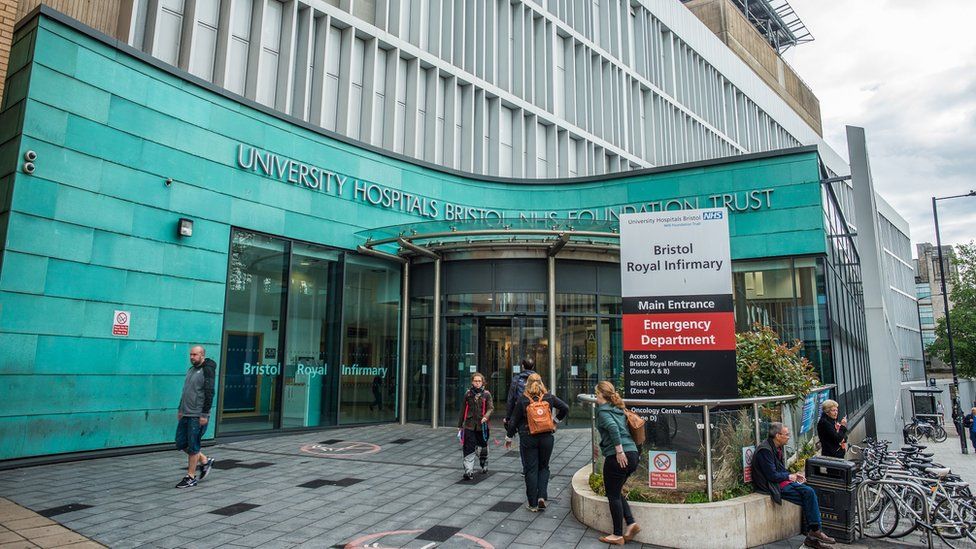
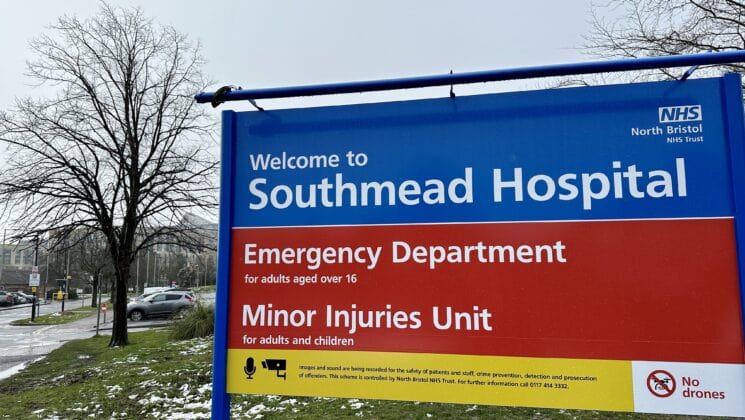
We have worked with the NHS and partners to support the roll out of testing for blood borne viruses – HIV, hepatitis B and hepatitis C – in Bristol and Weston-super-Mare Emergency Departments. These viruses are easy to test for at the same time and treatment can be straightforward. By routinely testing for all three infections we aim to normalise testing to help reduce stigma.
The team is working with the HIV sector, BNSSG Integrated Care System, our Emergency Departments, and HIV and hepatitis clinicians, and public health to make sure this new initiative has maximum impact and supports Bristol’s ambition to reduce new HIV infections.
Our University of Bristol colleagues are evaluating the national rollout of Emergency Department opt-out blood borne virus testing in collaboration with the UK Health Security Agency. They have produced recommendations for the implementation of opt-out testing.
Vending Machines for HIV tests
We worked together in 2022 to install four vending machines for sexually transmitted infections (STI, including HIV) tests across Bristol, North Somerset and South Gloucestershire to increase access to testing.
The pilot evaluated usage, views of people using the machines, and users found the service acceptable. Uptake was high in public settings, especially among young people as well as men-who-have-sex-with-men but who otherwise don’t regularly test for STIs or HIV. People using the service valued the machines for their convenience and instant access and many people using vending machines had not had an HIV test previously.
Sharing Our Learning
We shared what we have learned from our vending machines pilot with the British Association of Sexual Health & HIV (BASHH). The future sites for vending machines is being reviewed.
supporting african and caribbean heritage communities
We know that, in Bristol, people from Black African and Caribbean heritage communities are disproportionately affected by HIV.
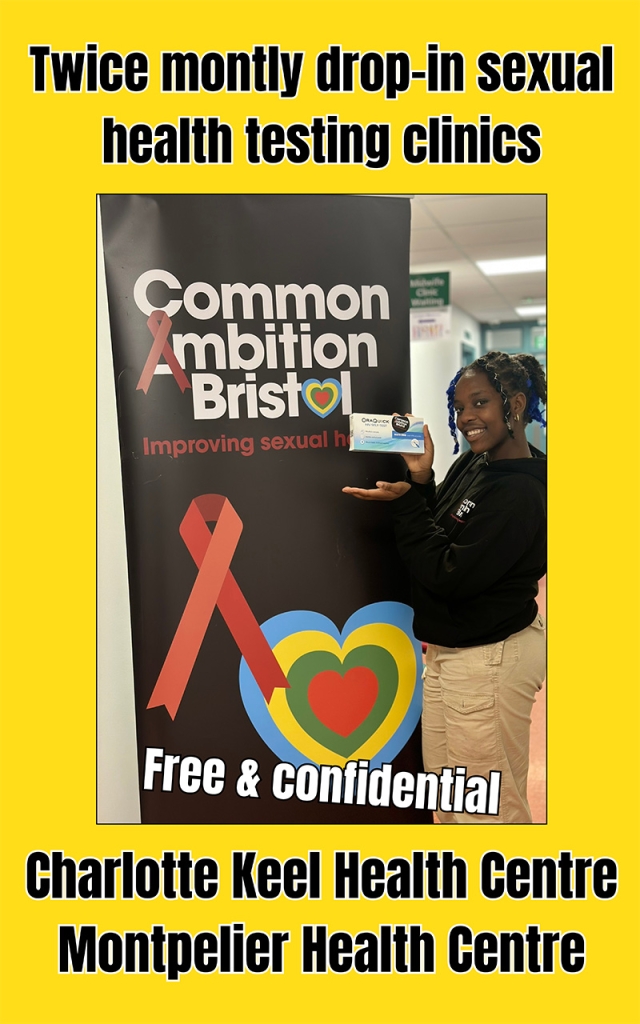
Our Bristol Fast-Track Cities programme supports Common Ambition Bristol (CAB), a community driven co-production project led by Brigstowe, working with African and Caribbean heritage communities to introduce new ways to reduce HIV stigma and improve HIV testing.
Along with building trust and raising awareness through successful co-production with the community and partners, CAB now delivers an outreach programme to over 30 barbershops and black owned businesses, providing advice and condoms as well as providing 2 dedicated sexual health walk-in clinics for African and Caribbean heritage communities.
In April 2025, CAB secured a 10-year local authority commission to deliver outreach to under-served communities across Bristol, North Somerset, and South Gloucestershire (BNSSG), as part of the Yuno contract.
CAB won the “Commissioning for Patient Experience” Patient Experience Network National Award in 2024 and was highly commended for “Most Effective Contribution to Integrated Health and Care” at the HSJ Partnership Awards in 2025.
The CAB team have developed a co-production toolkit to guides service providers who want to use co-production with minoritised communities to improve health services.
The project is a successful collaboration between Brigstowe, African Voices Forum, University Hospitals Bristol and Weston NHS Foundation Trust, Bristol City Council and the University of Bristol.
Increasing HIV testing and prevention in GP practices
University of Bristol researchers have developed PATH-GP (Prevention and Testing for HIV in General Practice). It aims to help more people get tested for HIV and improve access to PrEP ( a tablet that prevents you getting HIV, available for free via NHS sexual health clinics).
The PATH-GP approach was co-created with patients, GPs, nurses and healthcare commissioners. It is based on evidence, behavioural science and real-world clinical insight. It includes:
- Training for GP staff on HIV and PrEP
- ‘Opt-out’ HIV testing in certain clinical scenarios
- A digital reminder system to flag patients who may benefit from a test
- Improved patient information
- A designated “champion” in each practice to support the programme
The team are now applying for funding to implement PATH-GP.
Future Plans
- Work to influence policy changes for PrEP to be made available through community pharmacies - helping to improve access and reduce pressure on underfunded sexual health services
- Expand testing in community venues and promote HIV Testing Week 2026
For more information on where you can get a test for HIV please click here.