
Tackling
Stigma
Tackling Stigma
Despite major advances in HIV treatment and care, stigma still shapes the everyday experiences of people living with HIV. It remains a barrier to testing, early diagnosis and staying engaged in care, and it affects whole communities, not just individuals.
HIV stigma is tied to wider issues of gender, sexuality and race, and it helps keep those inequalities in place. These issues can be hard to change, but we know that direct discrimination – and even casual remarks or jokes about people living with HIV – have real consequences. Such behaviour harms the wellbeing, dignity and respect of people living with HIV, and especially those in communities that are most affected.
Fast Track Cities Bristol is committed to tackling stigma and reshaping public understanding of HIV. By addressing HIV stigma and the inequalities that fuel it, we can end new HIV transmissions and ensure people living with HIV can thrive.
We work to:
- Reach communities in Bristol who are at greater risk of HIV and less likely to come forward for testing or treatment due to stigma or fear of discrimination.
- Increase awareness of HIV across the health and social care workforce so people living with HIV experience compassionate, well-‑informed care
- Promote an up to date and accurate understanding of HIV including increasing public awareness that people on HIV medication can’t pass on the virus to sexual partners
- Influence HIV related policy and system change.
- Strengthen community‑led and culturally informed approaches
- Identify where and when stigma is happening to inform our future work
PUBLIC CAMPAIGNS
WORLD AIDS DAY
We have run a World AIDS Day campaign each year since 2022 to raise awareness of HIV and reduce stigma.
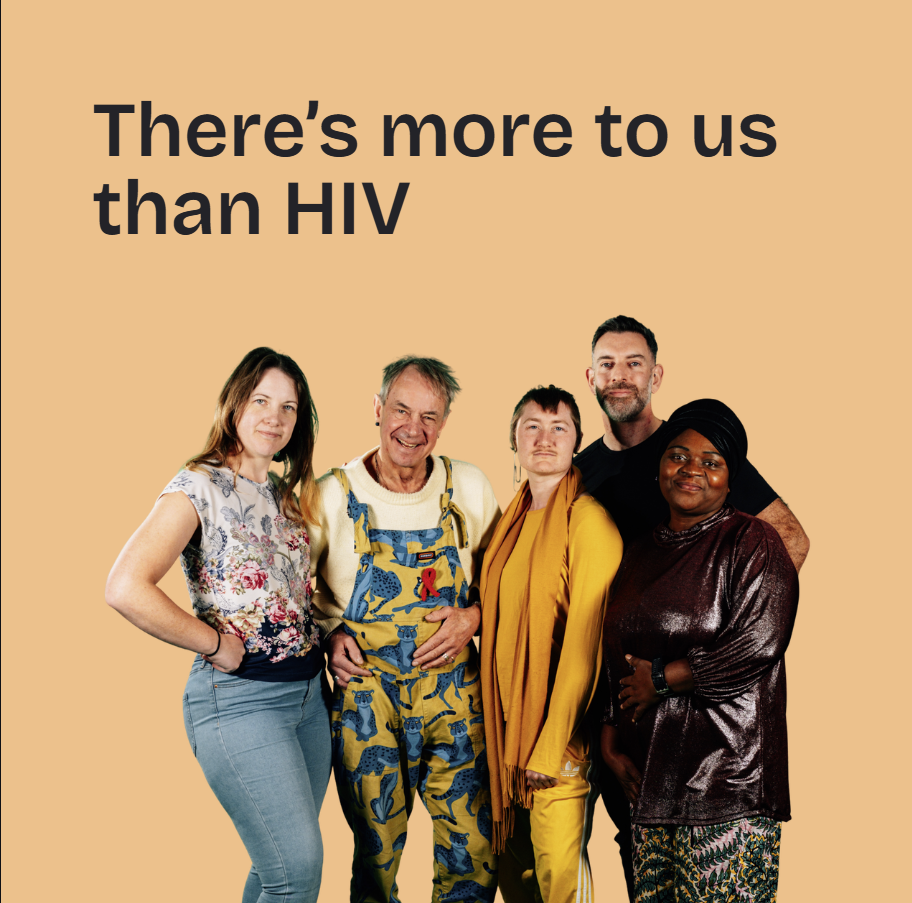
In 2025, Bristol delivered the “There’s More to Me Than HIV” campaign. This shared portraits and quotes from a diverse group of people living with HIV, highlighting their full lives and identities beyond their diagnosis. These images appeared across bus stops, libraries and council buildings in Bristol, South Gloucestershire and North Somerset, as well as on Facebook and Instagram. They directed people to the Yuno website to read more about participants’ stories and learn about HIV in a clear, approachable and personal way.
- 107,026 impressions - the total number of times content was displayed to users.
- 1,347 clicks - number of times a user clicked through to the webpage from the online ad. 61% of people who arrived at the page engaged by clicking on at least one link
- 47,988 reach - number of people who saw the ads (not double counting).
- 2,085 engagements - number of times users liked/commented/reshared content.
These results show that the campaign resonated strongly with audiences and increased visibility and understanding of HIV across the region. We will use what we’ve learned from this success to create an even more impactful and ambitious campaign in 2026.

Training and workforce development
HIV AWARENESS TRAINING
We continue to provide training across Bristol and the Southwest to organisations including public bodies, universities and charities. The training is delivered by Brigstowe staff and a Positive Speaker from the HIV community.
It provides up to date ‑to‑date information about HIV and HIV stigma, guidance on inclusive and respectful language, treatment, transmission, testing and best practice when working with people living with HIV in the community and workplace settings.
Hearts and Minds: Reducing HIV stigma in healthcare
Hearts and Minds training has been designed collaboratively by a Community Panel made up of people living with HIV and health workers, supported by Bristol Fast- Track City partners.
It works to improve comfort and confidence among people working in all healthcare settings when caring for people living with HIV.
“As a healthcare professional, it feels like you have to know everything and that it’s not okay to admit that you are not sure. However, I was forced to reflect on this when we discussed that people living with HIV would rather someone put their hands up and acknowledge that they don’t know enough about HIV, than ignore the issue or say/do the wrong things […] it’s okay not to be an expert in every field.” Hearts and Minds trainee
HIV CONFIDENT MARK
Fast Track Cities supports organisations in all sectors to sign up to the HIV Confident charter mark as a commitment to challenging and tackling stigma in their workplaces.
By signing up, organisations commit to:
- reviewing policies and practices to ensure they are inclusive of people living with HIV
- surveying staff regarding their HIV knowledge and providing appropriate HIV awareness training
- creating a culture where people living with HIV feel safe, respected and supported
- promoting evidence-based information about HIV, treatment, testing and stigma-based information about HIV, treatment, testing and stigma
Community Audit of Risk Assessments
An audit was undertaken that reviewed health and safety policies of 5 local organisations to identify how to assess and improve the way that blood borne viruses (including HIV) are addressed in different community and workplace settings: Community Audit of Risk Assessments – University of Bristol
Tattoo AND Beauty Industry Resources
Further work has been undertaken to help address blood-borne virus information and prevention need within the tattoo and beauty industry, with free resources available: HIV and Hepatitis Awareness for Tattoo and Piercing Artists – National AIDS Trust
COMMUNITY-LED APPROACHES
- We work with African and Caribbean heritage communities through Common Ambition Bristol. This community-led initiative supports outreach, events and the development of locally created resources with black‑owned businesses.
- We help fund and facilitate wellbeing activities for people living with HIV, including peer support groups, workshops and access to counselling.

WORKING WITH SCHOOLS
HIV EDUCATIONAL RESOURCES
We support schools to access HIV educational resources, including assemblies, lesson plans and CHIVA’s school toolkit. These materials help young people develop a modern, informed understanding of HIV and contribute to reducing stigma in school environments.


SUPPORT FOR THOSE EXPERIENCING STIGMA
SIMPLE REPORTING TOOL DEVELOPED
We have developed a simple way for anyone to report experiences of stigma. Not only does this direct people to the right support where needed, but it also gives us a clearer picture of HIV stigma in Bristol, North Somerset and South Gloucestershire, providing information to guide future training, campaigns and policy work.
Go to the Brigstowe website to report discrimination.